
.webp)
Most Hospitality Owners Shouldn't Own Restaurants
.jpeg)
I know that's a harsh statement.
In fact, every time I say it, I can almost hear people arguing with me before I've even finished the sentence. But after more than thirty-five years in hospitality, I've seen too many good people lose money, relationships, sleep and, in some cases, their entire life savings because nobody was willing to tell them the truth.
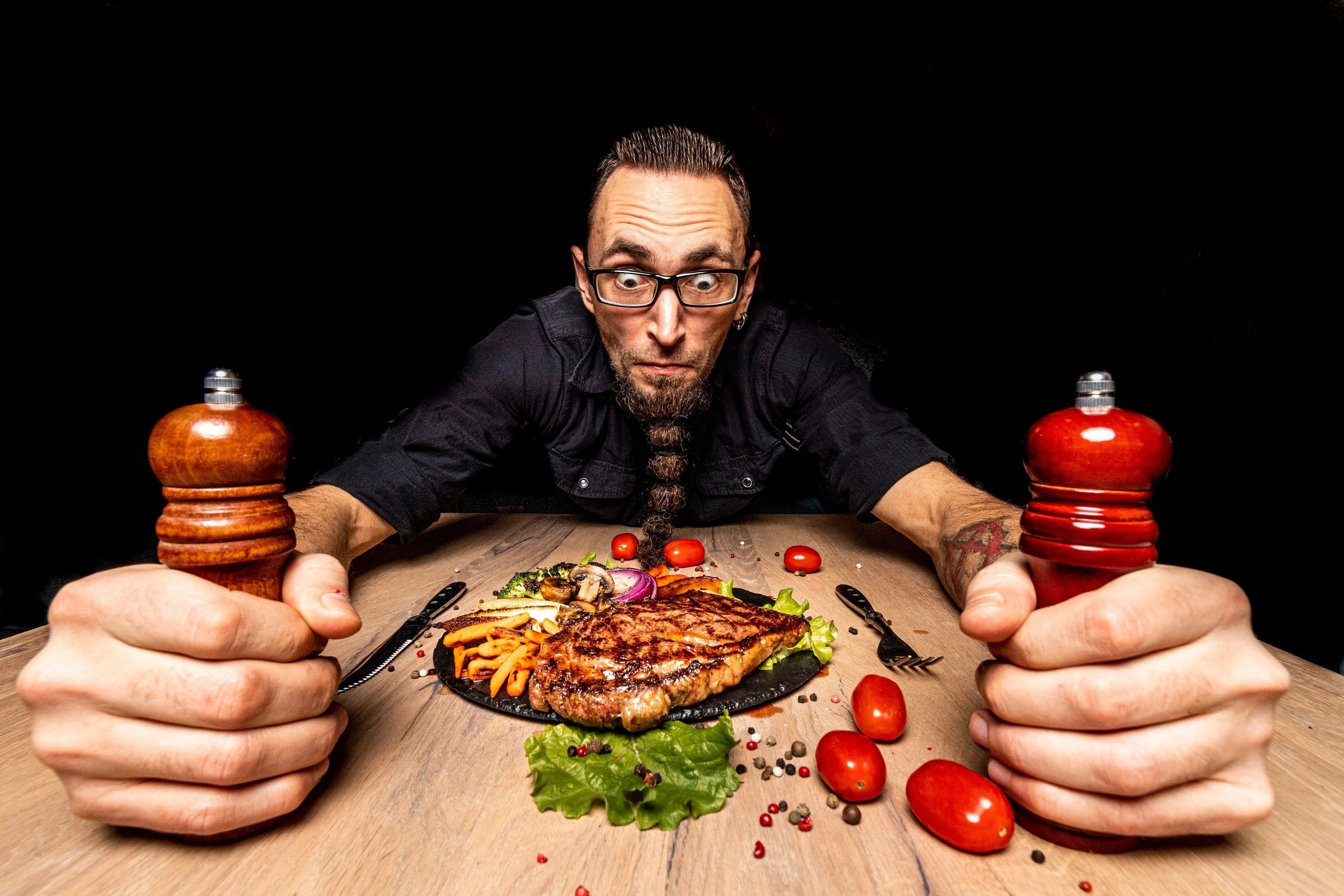
Owning a restaurant is not the same as loving restaurants.
Yet every year, people enter the industry for exactly that reason. They love food. They love wine. They enjoy entertaining friends and family. They've always dreamed of owning a café, wine bar or restaurant. They walk into a busy venue, see smiling customers and full tables, and think, "How hard can it be?"
The answer is brutally simple. Very hard.
One of the biggest misconceptions in hospitality is that great food creates successful businesses. Great food certainly helps, but I've watched plenty of talented chefs go broke while serving exceptional meals. I've also seen average food served in highly profitable venues.
The difference wasn't the cooking.
The difference was the business.
Most people spend months planning the exciting parts of opening a venue. They choose furniture, select crockery, design logos, create menus and obsess over colours, lighting and branding. They invest enormous amounts of time imagining what the business will look and feel like.
Far fewer spend the same amount of time understanding cash flow, labour management, stock control, purchasing systems, menu engineering and profitability.
It's a bit like buying an aeroplane because you enjoy travelling. Passion might get you off the ground, but it won't teach you how to fly.
The reality of hospitality is far less glamorous than most people imagine. Margins are tight. Costs constantly move. Staff turnover can be challenging. Equipment breaks down. Suppliers increase prices. Customers change their habits. One bad decision rarely destroys a business, but hundreds of small bad decisions repeated over time absolutely can.
What makes it even harder is that many people don't actually want a business.
What they really want is a lifestyle.
They want to be part of the hospitality scene. They want to serve food they love. They want to create a beautiful venue that reflects their personality and passion. There's nothing wrong with any of that. In fact, those ambitions are often what make hospitality such a vibrant and creative industry.
The problem begins when people confuse passion with profitability.
The market doesn't care how much you love your menu.
The market doesn't care how beautiful your fit-out is.
The market doesn't care how many hours you've worked or how passionate you are.
The market only rewards businesses that consistently create value while managing costs effectively.
Some of the best hospitality operators I've worked with weren't chefs. They weren't food critics, wine experts or even hospitality romantics. What they understood was business. They understood systems. They understood leadership. They understood how to create an environment where both customers and staff could thrive while still generating a profit.
Most importantly, they understood that a restaurant is not a stage for their dreams.
It's an organisation that has to survive.
That's a distinction many owners miss.
Hospitality is one of the few industries where people regularly invest hundreds of thousands, sometimes millions, of dollars into a business without fully understanding how the business model works. We would never accept that in most other industries, yet it happens every day in restaurants, cafés and bars.
The industry doesn't need fewer dreamers.
It needs more prepared dreamers.
People who understand that hospitality is both art and commerce. People who recognise that creativity and passion are incredibly important, but only when supported by strong systems, sound financial management and disciplined decision-making.
Because passion without business discipline is expensive.
Very expensive.
If you're thinking about opening a restaurant, ask yourself one simple question.
Do you want to own a restaurant?
Or do you want to own a successful restaurant?
Because despite what many people believe, they're not always the same thing.
View other insights
.jpeg)

Andrew Unfiltered
YES I’VE OFFICIALLY LOST IT – Why I Went Back Into The Kitchen