
.webp)
Some Restaurants Deserve to Fail

That's a horrible thing to say.
In fact, I can already imagine some people reading that headline and deciding they disagree before they've even reached the second paragraph. Hospitality is a tough industry, and nobody likes hearing that a business deserves to fail.
So let me be clear from the beginning.
I'm not talking about restaurants that were destroyed by a pandemic. I'm not talking about operators who lost everything because of floods, fires or economic circumstances completely outside their control. I'm not talking about hardworking people who simply ran out of luck.
Hospitality is difficult enough without kicking people when they're down.
What I am talking about is a different kind of failure.
The type that was entirely predictable.
The type that was avoidable.
The type that occurs when warning signs are ignored for months or even years, while everyone hopes the problem will somehow fix itself.
After more than thirty-five years in hospitality, I've seen it happen countless times. A venue opens with enormous excitement. The fit-out is beautiful. The food is excellent. The owner is passionate, energetic and convinced they've built something special.
Then reality arrives.
Food costs begin creeping higher. Labour starts getting away. Customers change their habits. New competitors enter the market. Margins tighten. Cash flow becomes unpredictable.
At that point, every business owner has a choice.
Some face reality. Others avoid it.
The businesses that survive are usually the ones willing to confront uncomfortable truths early. The businesses that fail often spend years pretending those truths don't exist.
I've worked with operators who never reviewed their menu performance because they were emotionally attached to certain dishes. I've met owners who blamed suppliers, staff, customers and the economy for declining profits while refusing to look at their own numbers. I've seen venues continue with the same systems, the same pricing and the same thinking while the market around them changed dramatically.
The most dangerous phrase in hospitality isn't "we have a problem."
It's "we've always done it this way."
That's often where the decline begins.
One of the challenges in our industry is that we sometimes romanticise failure. We celebrate the passion, the sacrifice and the long hours. We tell stories about people who gave everything to pursue their dream.
What we don't talk about often enough is accountability.
Running a restaurant isn't simply about working hard.
It's about making good decisions.
Customers don't reward effort.
They reward value.
The market doesn't reward passion.
It rewards execution.
And banks certainly don't reward dreams.
They reward profitability.
That's why I've always believed that hospitality is both an art and a business. You need creativity, passion and vision. But those qualities alone aren't enough. They must be supported by leadership, financial discipline, systems and a willingness to adapt.
Every successful operator I've worked with has made mistakes. Every single one. They've misread trends, hired the wrong people, launched dishes that failed and made decisions they later regretted.
The difference is that they learned. They adapted. They improved.
The operators who struggle most are often the ones who refuse to change. They double down on failing ideas. They ignore feedback. They avoid the numbers. They convince themselves that persistence alone will solve problems that actually require action.
Eventually, reality catches up.
When that happens, the business usually blames bad luck. Sometimes bad luck is part of the story. But not always. Restaurants don't owe us success. Customers don't owe us loyalty. The market doesn't owe us survival.
Those things must be earned every single day through discipline, adaptability and a relentless focus on delivering value.
The businesses that understand this stay curious. They stay humble. They continue learning long after they think they know the answers.
The businesses that don't often become trapped by their own assumptions.
And that's why some restaurants fail, Not because they lacked passion. Not because they lacked effort.
But because they stopped doing the things necessary to deserve success.
It's an uncomfortable truth.
But it's also the reason the best operators continue to thrive while others disappear.
In hospitality, survival isn't guaranteed. It's earned.
View other insights
.jpeg)



Andrew Unfiltered

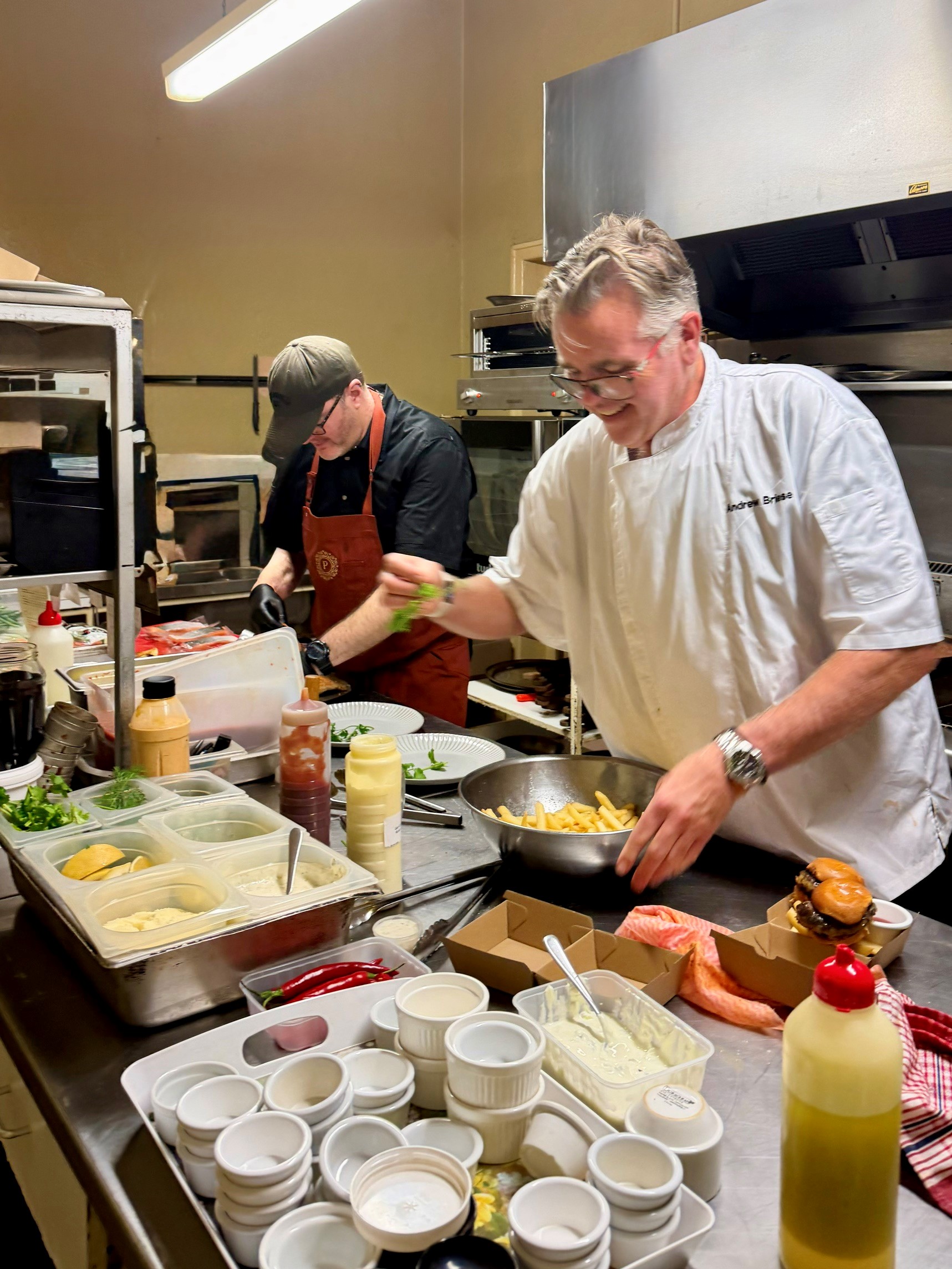
YES I’VE OFFICIALLY LOST IT – Why I Went Back Into The Kitchen