
.webp)
Portion Control: A Critical Ingredient for Profitability
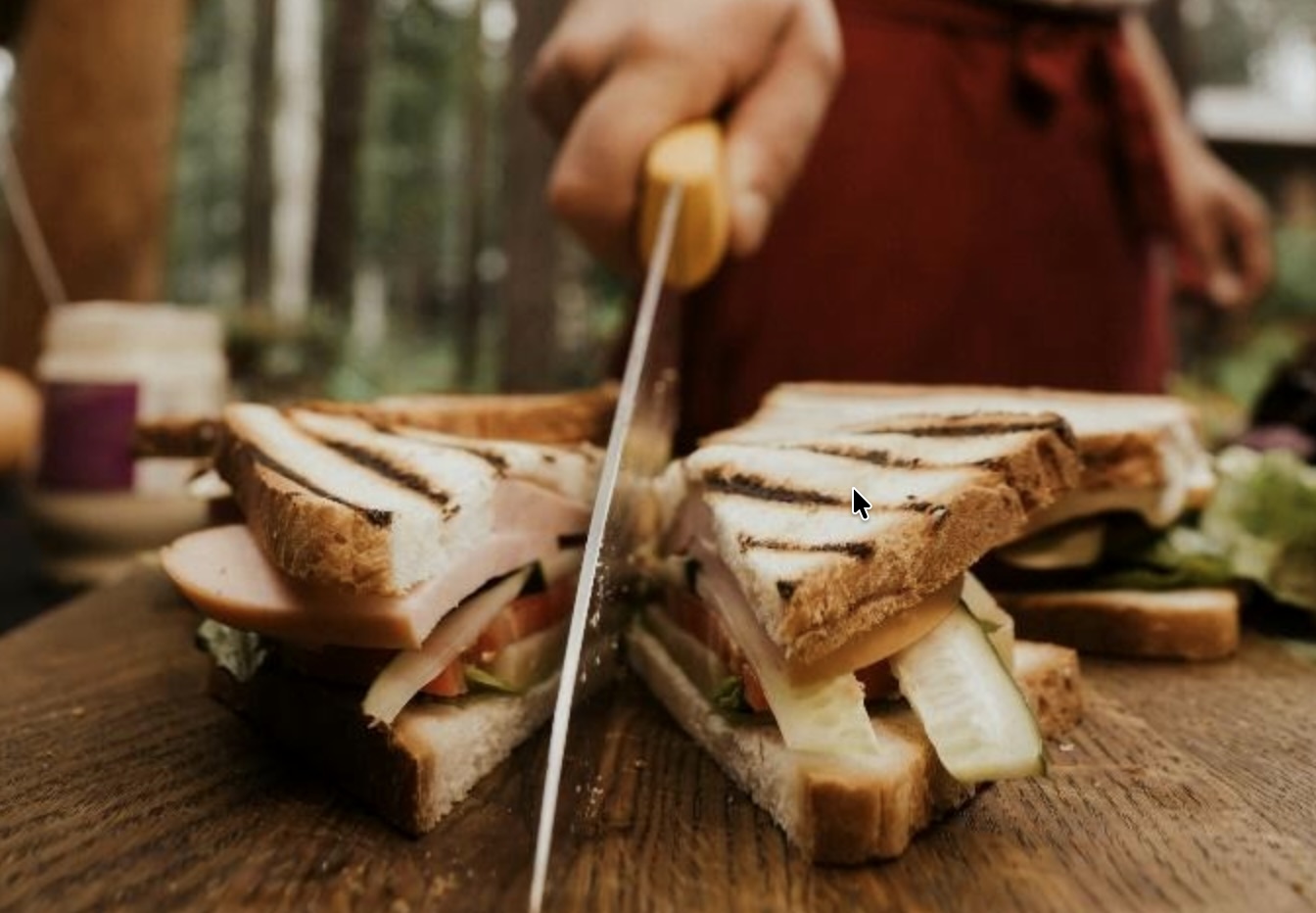
In recent years, many hospitality businesses have struggled to remain profitable. One key factor contributing to these challenges is poor portion control.
Portion control is the practice of regulating the serving sizes and the amount of food given to each customer. The goal is consistency—if a customer orders spaghetti bolognese today, it should look and taste the same as it did last week or last month: same amount of pasta, same amount of sauce, same experience.
Why is Portion Control Important?
- Accurate Ordering: Chefs must know how much food to order and how many portions can be produced from each order.
- Cost Control: It helps chefs determine the cost of each dish, enabling proper pricing.
- Fairness and Consistency: Customers receive the same quality and quantity of food for the price they pay.
- Customer Satisfaction: Consistency builds trust and repeat business.
The Cost of Inconsistent Portioning:
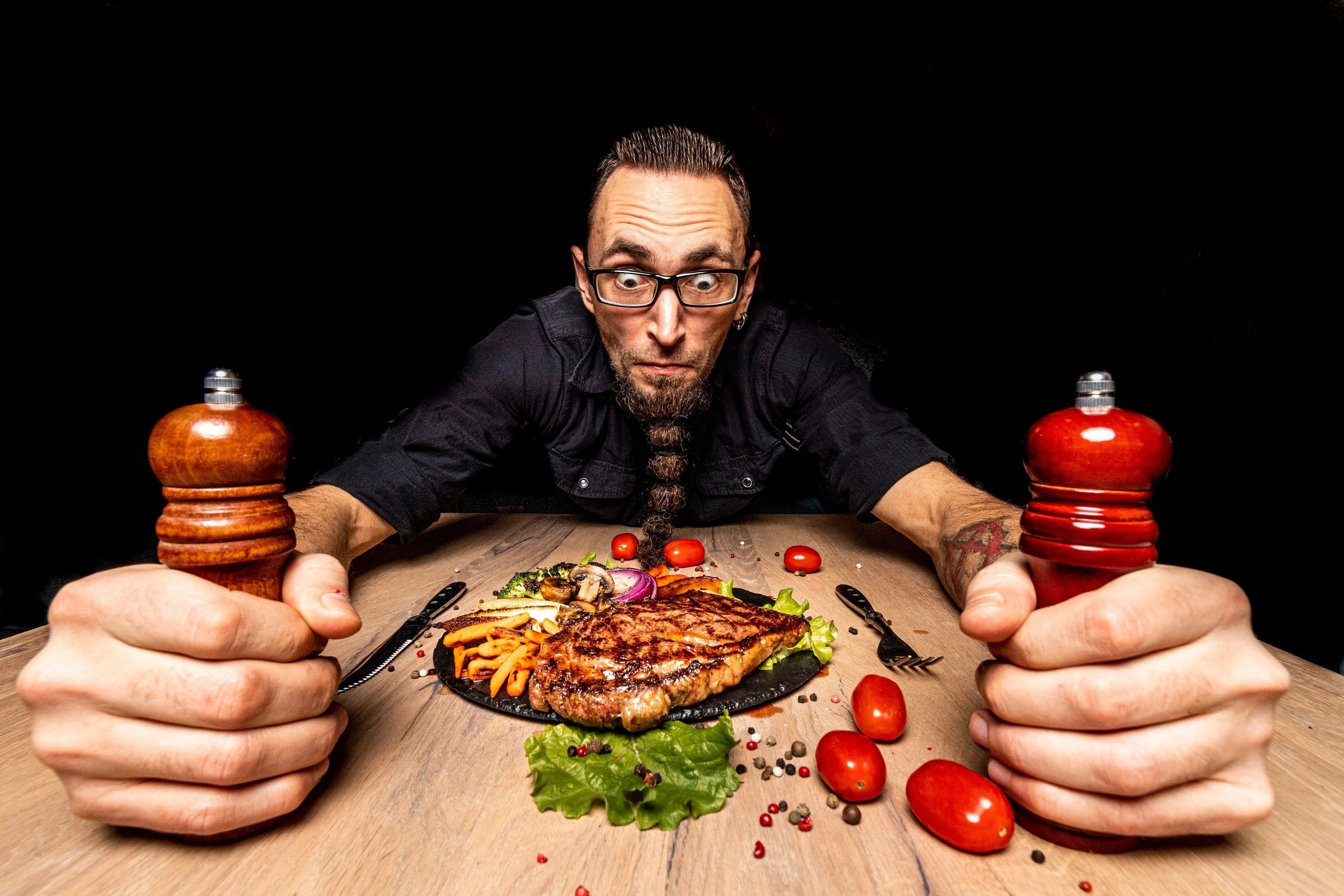
At The Friendly Onion, the standard portion size for a rump steak is 200g.
But what if Ben, the Second Chef, cuts them at 250g?
- 200g portions: 20kg of rump yields 100 servings (20,000g ÷ 200g)
- 250g portions: 20kg of rump yields only 80 servings (20,000g ÷ 250g)
- Result: 20 fewer servings lost due to over-portioning
Why Might Portioning Go Wrong?
- Inadequate training
- Lack of understanding about its importance
- Personal bias (e.g., giving more to friends)
- Disagreement with menu pricing
- Poor morale or dissatisfaction
- Poor leadership or team culture
- Time pressure and rushed preparation
How to Control Portions Effectively
- Specify Ingredient Requirements: Use supplier specifications or pre-portioned products (e.g., pre-cut steaks).
- Train Staff: Educate on proper portioning and the impact on business profitability.
- Use Proper Equipment: Digital scales, scoops, and standard utensils help ensure accuracy.
- Supervise and Monitor: Watch how dishes are plated and intervene when standards are not met.
- Pre-Portion Ingredients: Use containers or bags to weigh and store ingredients (e.g., pre-weighed cooked pasta)
Final Thought
Portion control is more than a kitchen habit—it’s a cornerstone of operational success. With the right systems, training, and tools in place, you can protect your margins, ensure consistency, and keep both your team and your customers satisfied.
Happy Costing!
View other insights
.jpeg)



Andrew Unfiltered

YES I’VE OFFICIALLY LOST IT – Why I Went Back Into The Kitchen