
.webp)
The Make or Buy Debate: A Chef's Guide to Financially-Smart Decisions
In kitchens across the industry, one debate never seems to go away—should we make it in-house or buy it in pre-prepared?
As a chef, it can be hard to be objective regarding this decision. There’s a deep sense of pride in making everything from scratch. But that pride must be balanced with practical business sense in today's fast-paced, high-cost hospitality environment.
Let’s explore some of the common arguments—and the realities behind them.
Common Arguments vs. Commercial Reality
“We’ve got to do it ourselves—handmade in-house tastes better.”
Reality: There are now many pre-cut, portion-controlled, and pre-made products on the market that match or even exceed the quality you can consistently produce in-house, especially with limited time, space, or staff.
“My apprentices won’t learn anything if we buy in portioned meats.”
Reality: While it’s true that traditional skills like butchery and baking are fading, commercial kitchens are under constant pressure. Shrinking margins, rising costs, and staffing shortages have created a space for suppliers to fill the gap with consistent, affordable options.
“Our customers expect us to make everything from scratch.”
Reality: Customers really expect quality and consistency. If your product looks great, tastes great, and is delivered with a smile, they won't know—or care—if it was pre-prepped or house-made.
“I’m selling out if I buy it in. It compromises my integrity.”
Reality: This mindset can be dangerous unless you’re happy working for free. Your job is not just to cook—it's to run a profitable kitchen.
The Yield Test: A Real Example
Let’s take a look at The Friendly Onion, where the chef, Archie, is deciding whether to portion porterhouse steaks in-house or buy them portion-controlled.
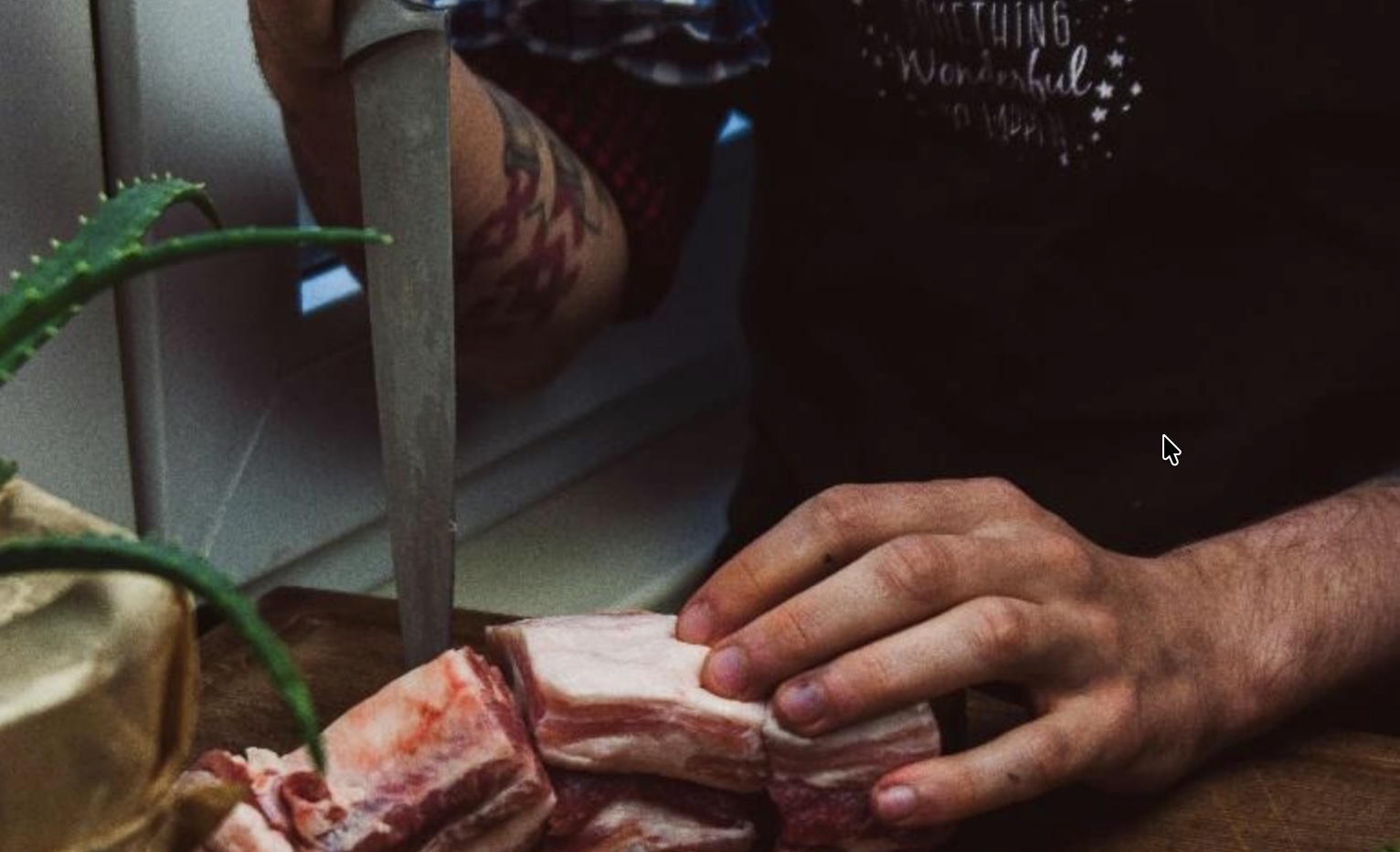
The Situation
- Product: Whole porterhouse (6.276 kg)
- Wastage: 1.780 kg
- Prep Time: 14 minutes
- Chef Hourly Rate: $22.17
- Portion Size: 300g
- Purchase Price: $12.50/kg
Step-by-Step Breakdown
- Trimmed Weight
6.276 kg - 1.780 kg = 4.496 kg - Number of 300g Portions
4.496 kg ÷ 0.35 kg = 12 portions - Labour Cost
($22.17/hour × 14 mins) ÷ 60 = $5.17 - Cost of Trimmed Meat (Excluding Labour)
6.276 kg × $12.50 = $78.45
$78.45 ÷ 4.496 kg = $17.45/kg - Total Cost per Portion (Including Labour)
($78.45 + $5.17) ÷ 12 = $6.97 per portion - Comparison
Buying portion-controlled steaks costs $7.55 each
Making them in-house costs $6.97 each
Savings: $0.58 per steak
The Verdict: What Should Archie Do?
At face value, preparing in-house saves $0.58 per portion. But that’s only if everything goes to plan. If any of the following happen:
- Mis-portioning
- More prep time than expected
- Higher wastage
- Unsold portions going out of date
… then your cost could quickly outweigh the savings.
So while the math tells one story, the real decision comes down to risk, consistency, and efficiency.
Takeaway: Remove the Emotion
The purpose of this exercise isn’t to say always buy or always make. The goal is to take emotion out of the equation and make financially responsible decisions.
A good chef doesn’t just know how to cook—they know how to run a kitchen that makes money.
Before you default to in-house prep, do a simple yield test like Archie did. Compare your real costs—including labour, waste, and risk—to what the supplier is offering. Then make the call.
After all, it’s not just cooking—it’s business.

View other insights
.jpeg)



Andrew Unfiltered

YES I’VE OFFICIALLY LOST IT – Why I Went Back Into The Kitchen