
.webp)
Product for Purpose: Why Value Isn’t Always Pretty
Let me say something you might not hear often: Not everything needs to be beautiful to be valuable
In fact, some of the most powerful things in your business are invisible to your customers, but they save you thousands.
The Problem with the ‘Shiny Object’ Trap
In hospitality and business generally, we fall in love with what looks good. Beautiful dishes. Sleek tech. Flashy fitouts. But here’s the problem: we sometimes confuse beauty with effectiveness.
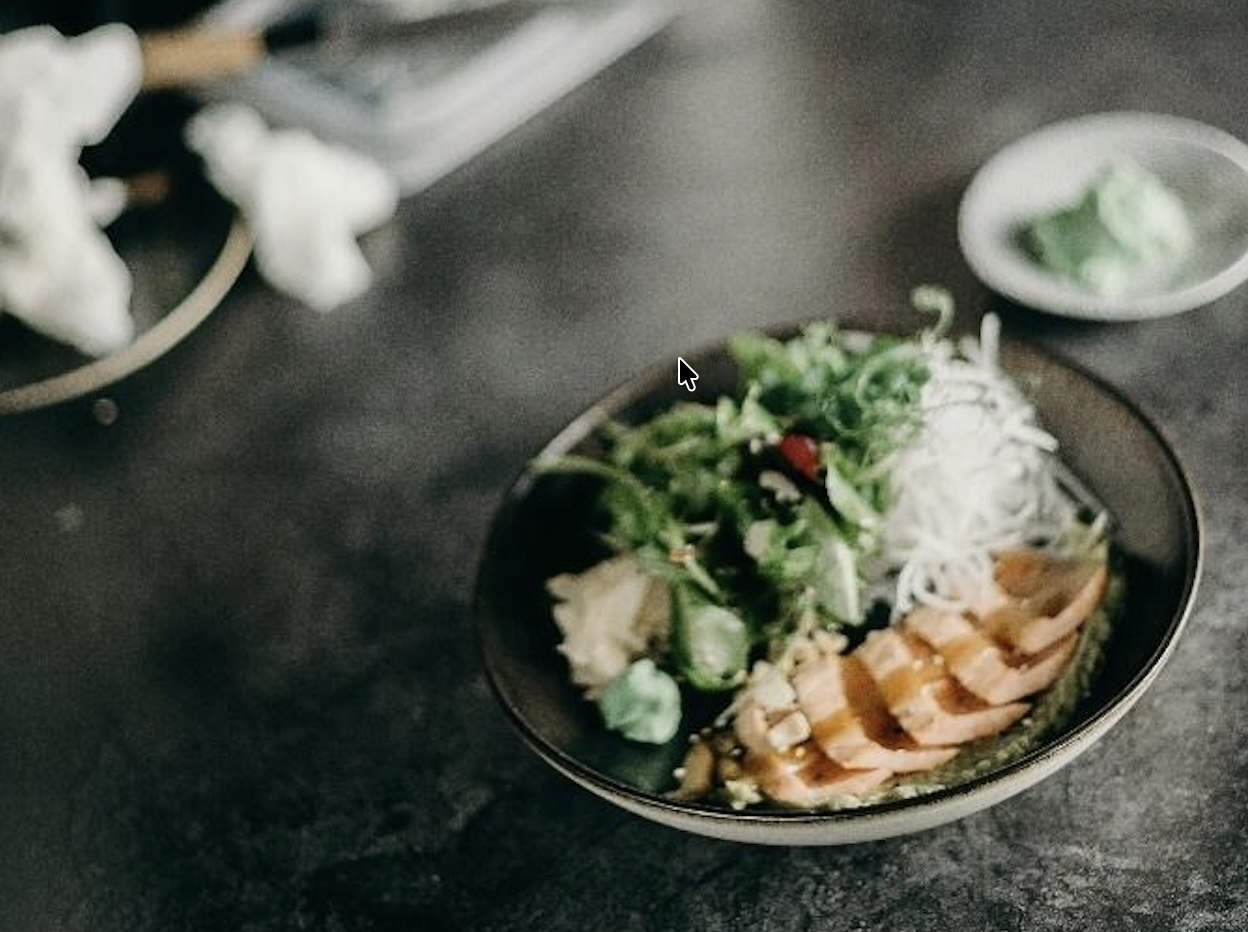
A perfectly plated dish with no margin?
A dashboard no one checks?
A system no one uses?
Food is no different
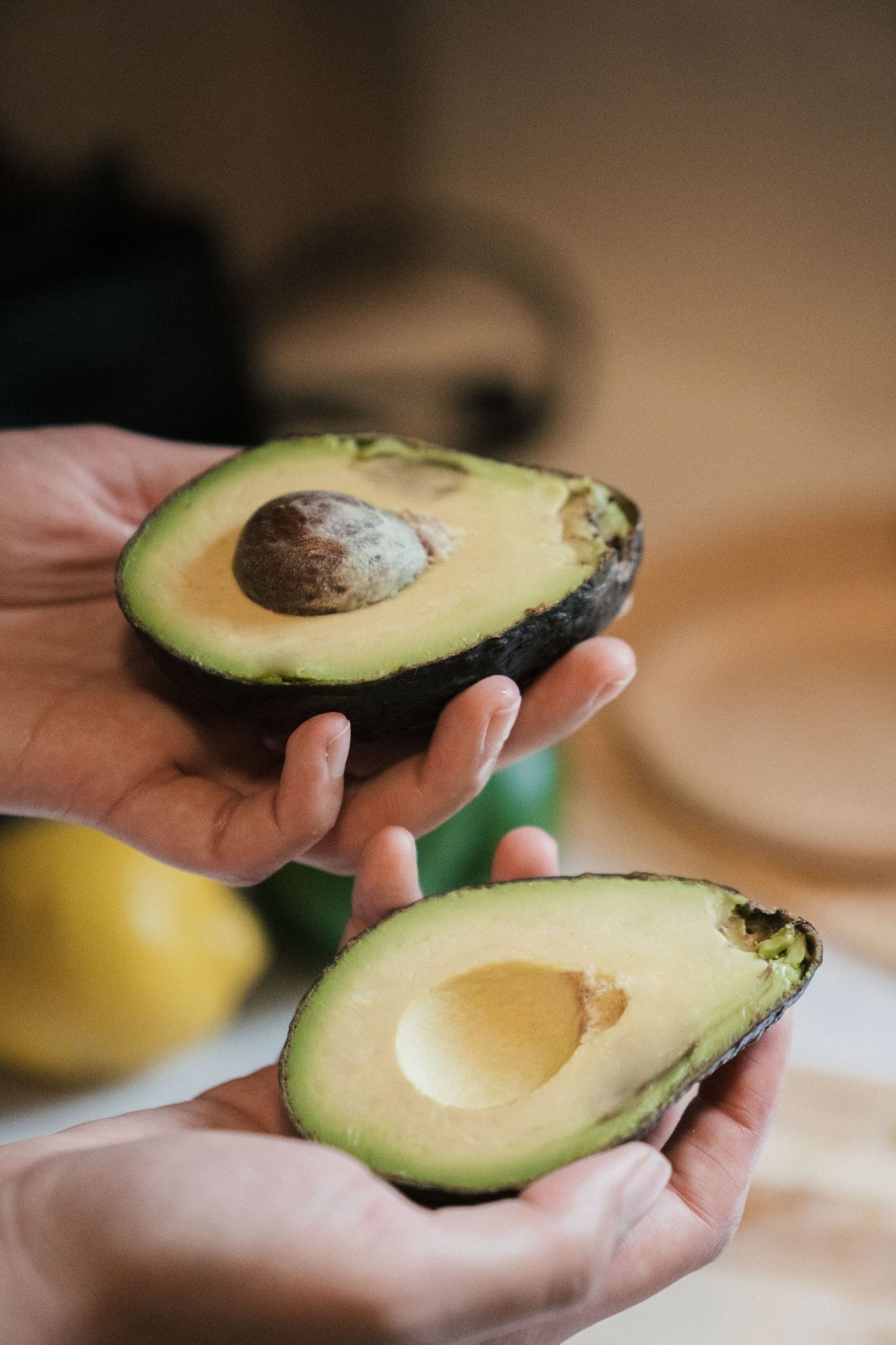
Do you really need A-grade avocados for guacamole? Not every ingredient has to be perfect, but it must be fit for purpose.
Why This Matters in Food Costing
One of the most expensive mistakes in commercial kitchens is buying ingredients based on their appearance, rather than how they’re used. You’re not serving whole avocados on toast. You’re smashing them into guacamole. So why pay top dollar for unblemished fruit that ends up in a bowl?"
- Chefs often default to “best quality” when it’s not necessary
- Food cost blows out because we’re not matching product for purpose
The A-Grade Avocado Myth
I help a kitchen, spending a fortune on A-grade avocados. But they were making guacamole for tacos loaded with lime, coriander, and spices.
We switched to B-grade fruit, which is a bit blemished on the outside, but has the same flesh inside, and saved 35% on avocado costs. No one noticed. The guacamole still look great
Pre-Cut vs Whole — Sometimes Convenience Pays
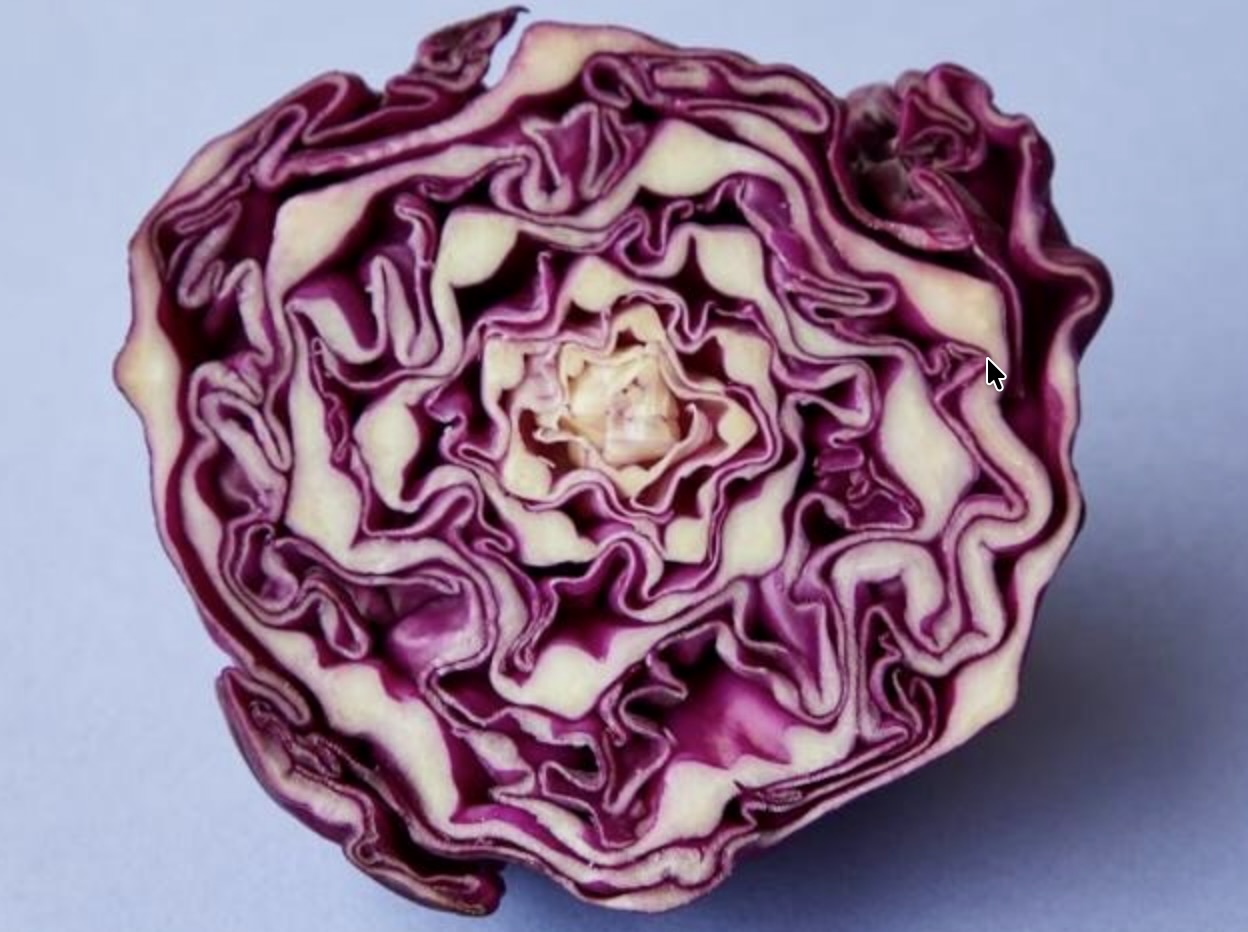
Let’s look at it differently: sometimes paying more is sensible too. Imagine you’re slicing kilos of red cabbage every day for slaw. Labour’s tight, staff are new. Buying pre-shredded might cost more per kilo, but if it saves 3 hours a week, that’s real value. Purpose first. Price second.
The Golden Rule: Buy for the Plate, Not the Pallet
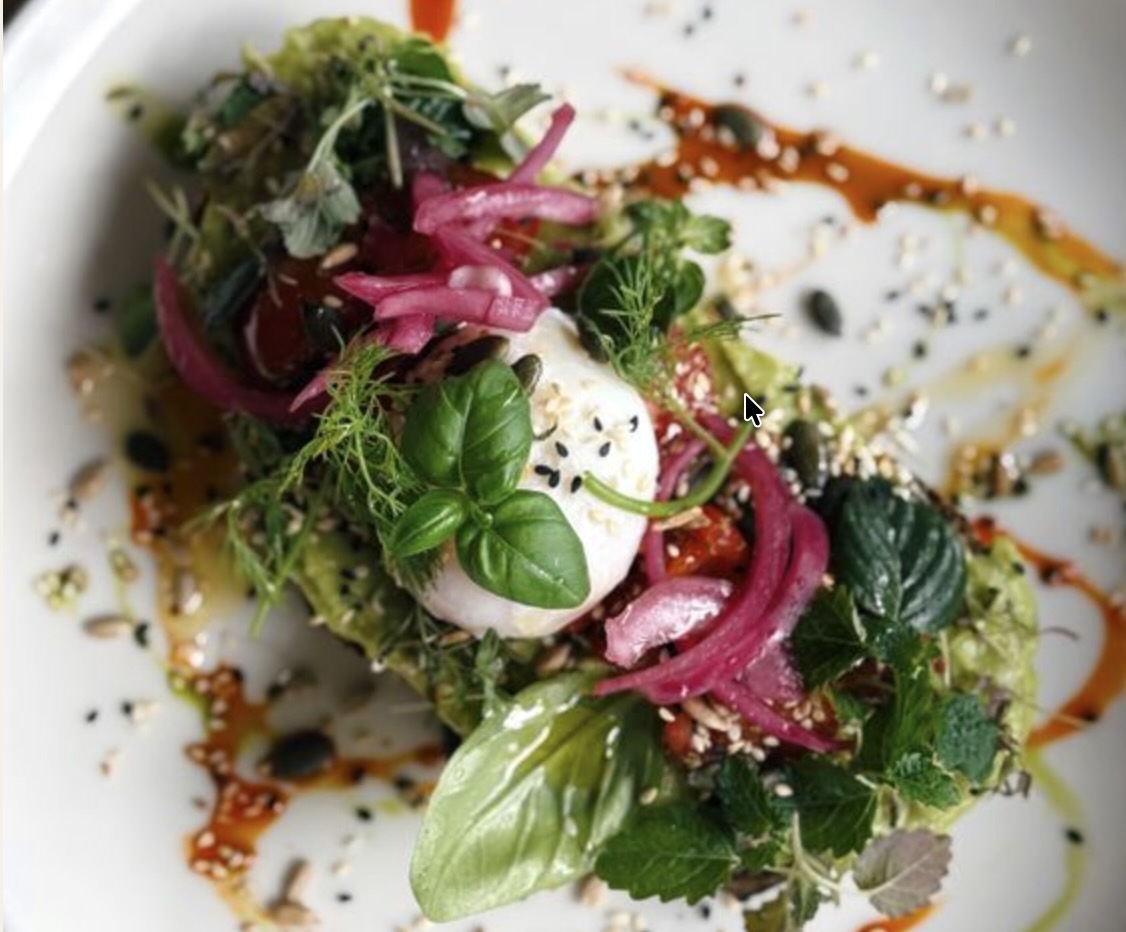
You’re not judged on what you buy, you’re judged on what you plate. Does the customer see the difference? Taste the difference? Pay more for the difference? If not, you’re wasting margin.
Challenge: Audit Your Top 5 Ingredients
Grab your top 5 high-volume ingredients.
Ask:
- What am I using this for?
- Does it need to be this grade, cut, or brand?
- Could a cheaper, more purposeful version deliver the same outcome?"
If you even switch one of those items, you could save thousands over a year.
Wrap-Up and Message
Chefs are creative but to be profitable, we’ve got to be smart too. You’re not selling ingredients. You’re selling experiences. And if a B-grade avocado gets you there for less, use it. Plate for purpose. Buy for purpose.
Remember not everything needs to be beautiful to be useful. That’s how smartkitchens work.

View other insights

.jpeg)







Andrew Unfiltered


YES I’VE OFFICIALLY LOST IT – Why I Went Back Into The Kitchen