
.webp)
Seven Steps to Food Cost Control
Food cost control isn't just about cutting corners—it's about creating consistent systems that help you run a profitable and efficient operation. From the moment you place an order to the moment food hits the plate, each stage offers an opportunity to protect your bottom line.
Here are the seven essential steps to controlling food cost effectively:
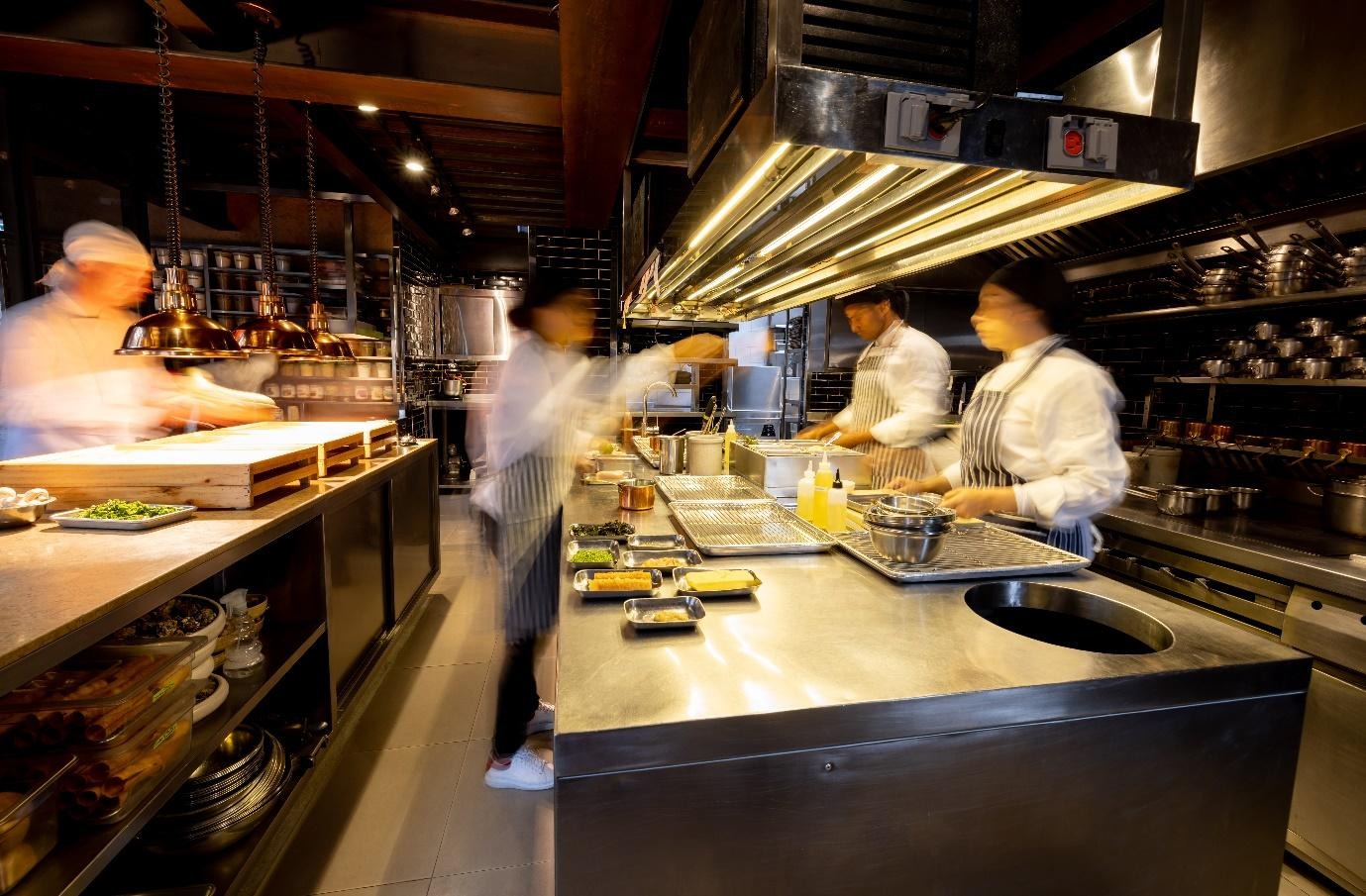
1. Ordering: Start Smart
Food cost control starts long before the food even arrives. Smart ordering practices include:
- Having detailed, up-to-date recipes and purchasing specifications.
- Doing comparative shopping to evaluate quality, price, and service.
- Avoiding early ordering, which can cause spoilage and tie up storage (and your cash).
- Avoiding late ordering, which often incurs premium costs and rushed deliveries.
- Being wary of standing orders, which can lead to complacency and unnecessary stock.
In short: order what you need, when you need it, from the best supplier at the best value.
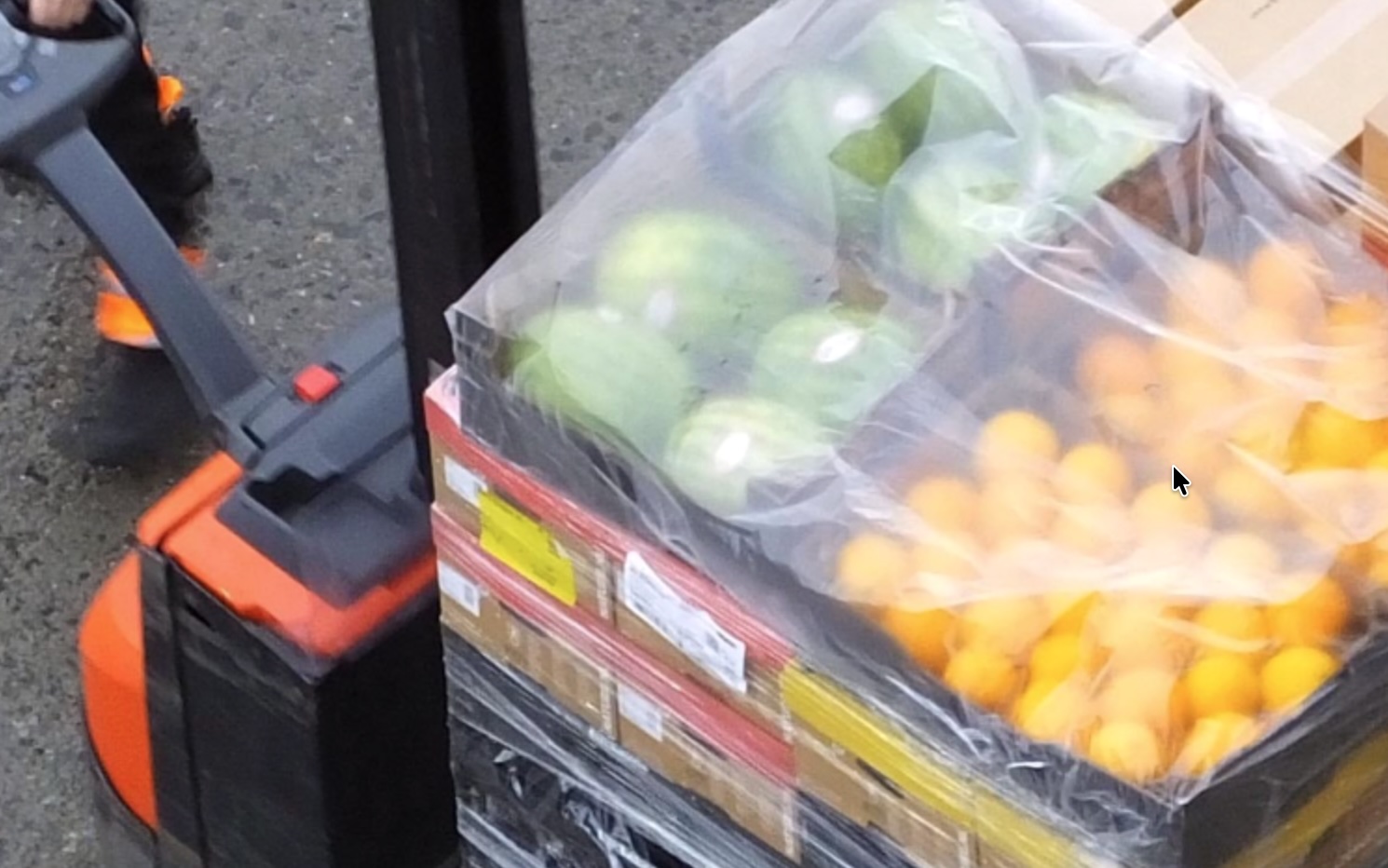
2. Receiving: Inspect What You Expect
Receiving is your first opportunity to check that you got what you paid for. Good receiving practices include:
- Counting, weighing, and inspecting each delivery for quality and accuracy.
- Comparing the goods against a purchase order—not just the invoice.
- Keeping the receiving area clean and secure.
- Limiting access to the area and training a designated receiving person.
- Always getting a credit memo for short or damaged deliveries.
Remember, what comes through the back door sets the baseline for your food cost—make this step count.
3. Storing: Organise to Maximise
Storage is often overlooked but can make or break your cost controls. Ask yourself:
- Is each product stored in the correct location and temperature?
- Is the area secure and organised?
- Are shelves labelled and sturdy, allowing for airflow and easy cleaning?
- Is everything dated and priced on arrival?
- Is stock rotated (FIFO) to prevent spoilage?
A clean, well-organised storage area not only preserves quality, but it also reduces waste, theft, and time.
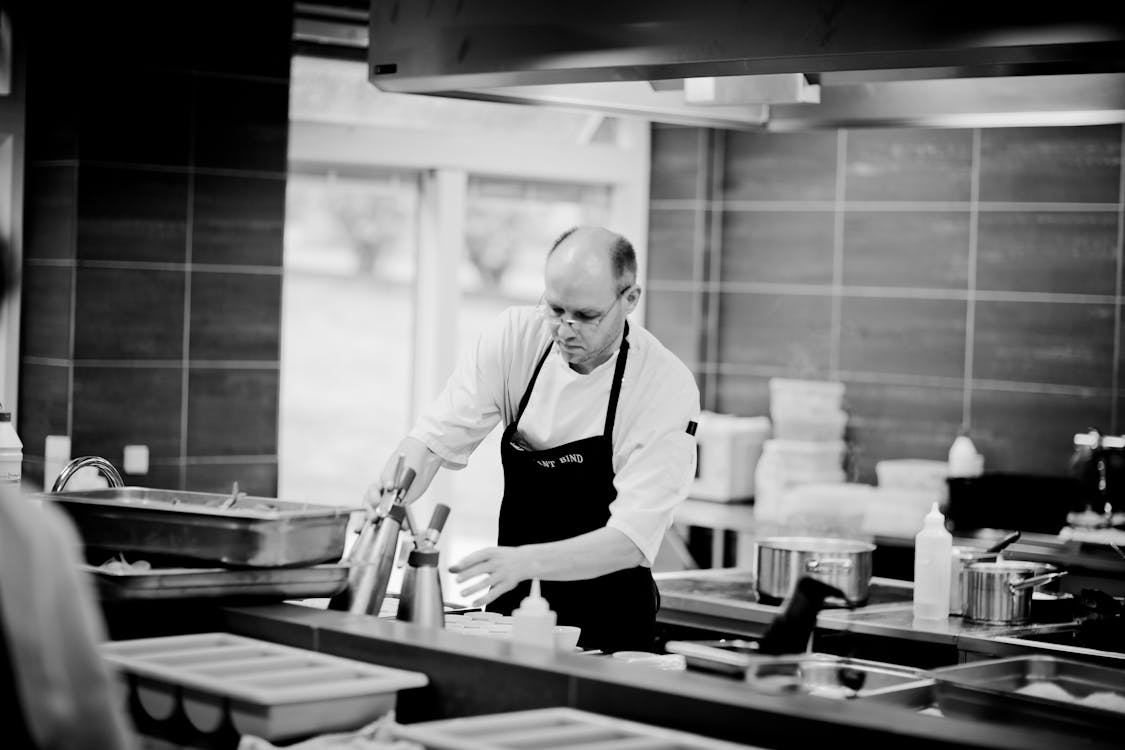
4. Issuing: Control the Flow
Issuing refers to how items move from storage to production. Controlled issuing should:
- Be limited to authorized personnel.
- Align with par stock levels and volume requirements.
- Be recorded with a perpetual inventory or sign-out sheet.
- Be tracked for frequency, quantity, and accountability.
Uncontrolled access leads to overuse, misuse, and unnecessary losses. Control the flow—control the cost.
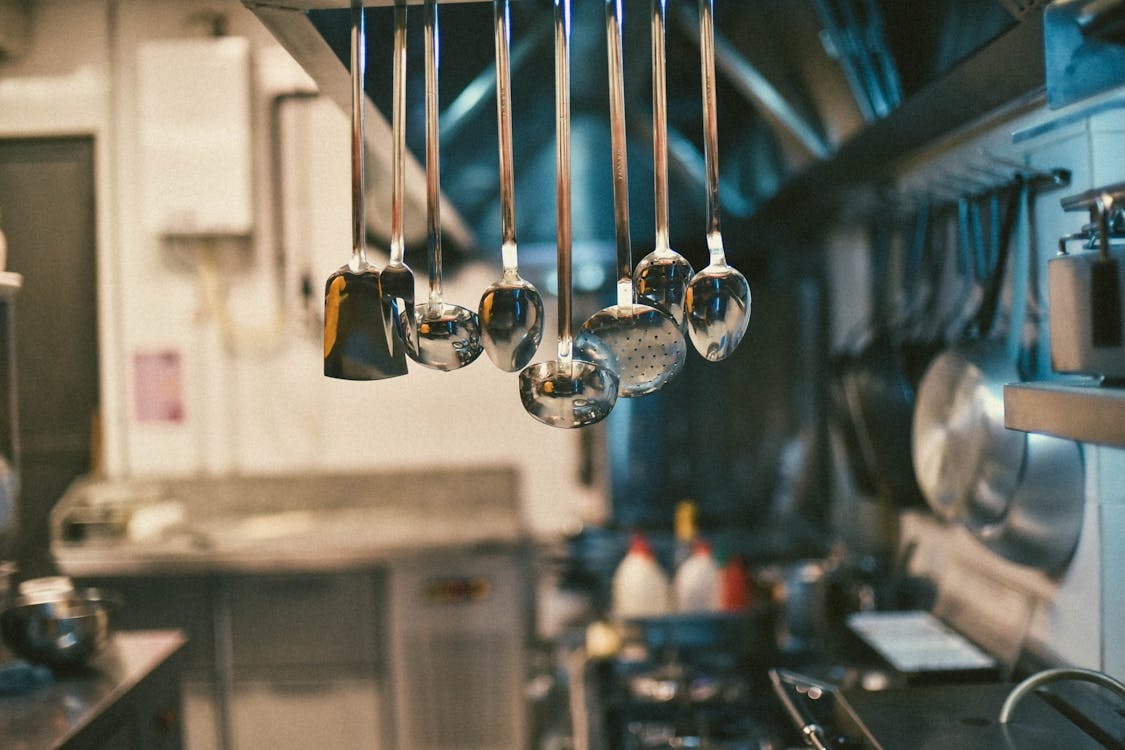
5. Preparation: Precision in the Process
Preparation is where a lot of cost—and value—can be gained or lost. Key practices include:
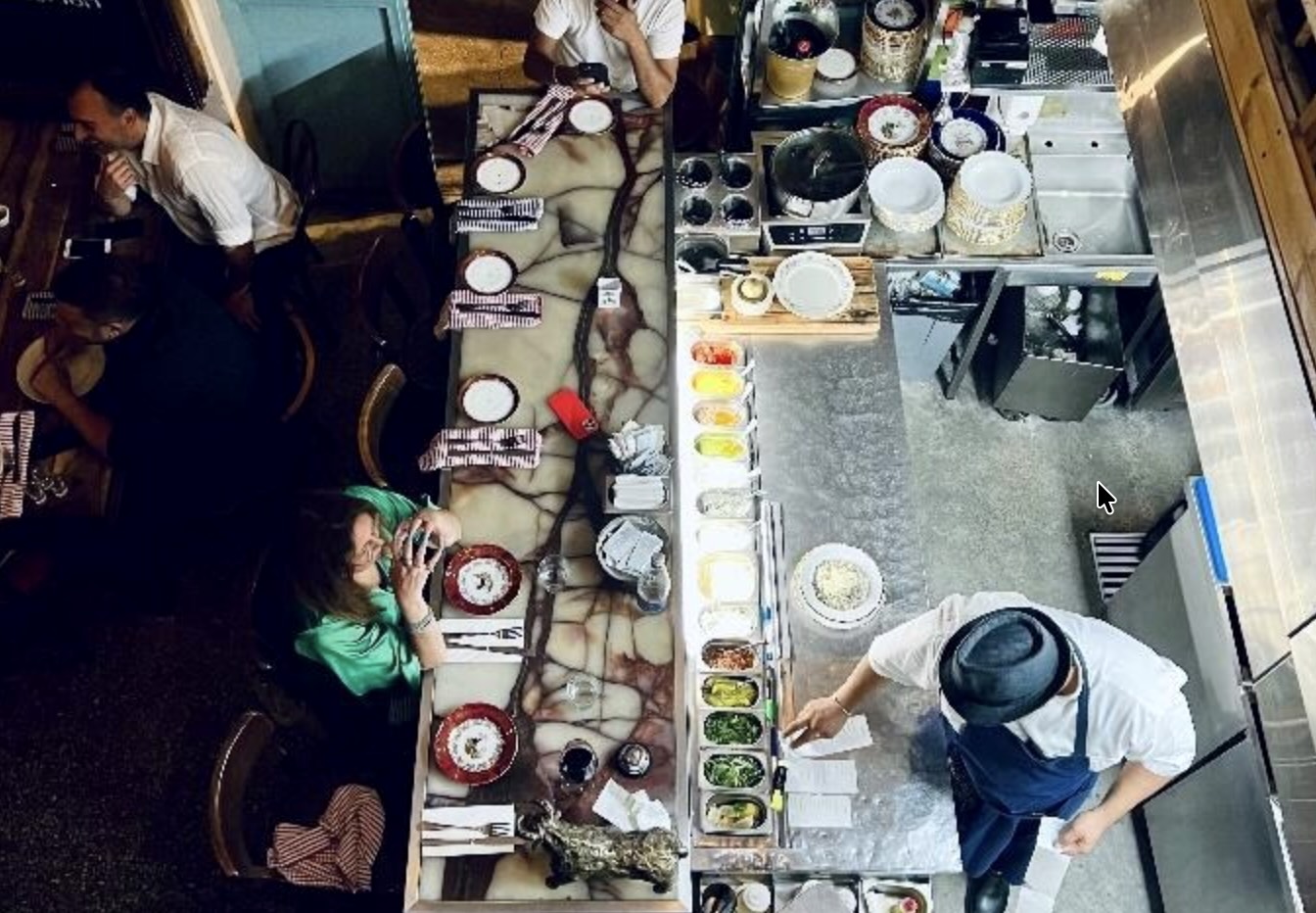
- Proper trimming and portioning.
- Repurposing trimmings for stocks, soups, and secondary dishes.
- Enforcing recipe adherence—no freestyling!
- Maintaining a clean, organised workspace.
- Using photographs of finished dishes as a reference.
Prep is where consistency starts. Train your team to do it right, every time.
6. Cooking: Execute with Consistency

Even the best-prepped ingredients can be wasted during cooking. To avoid that:
- Use correct temperatures and cooking times.
- Stick closely to recipe procedures.
- Use proper utensils and equipment.
- Maintain a clean cooking station.
- Continue to reference photographs of final dishes.
Well-executed cooking supports both quality and portion control, helping to avoid re-fires, complaints, and plate waste.
7. Serving: Plate with Purpose
Serving is your final opportunity to control food cost before the food reaches the guest.
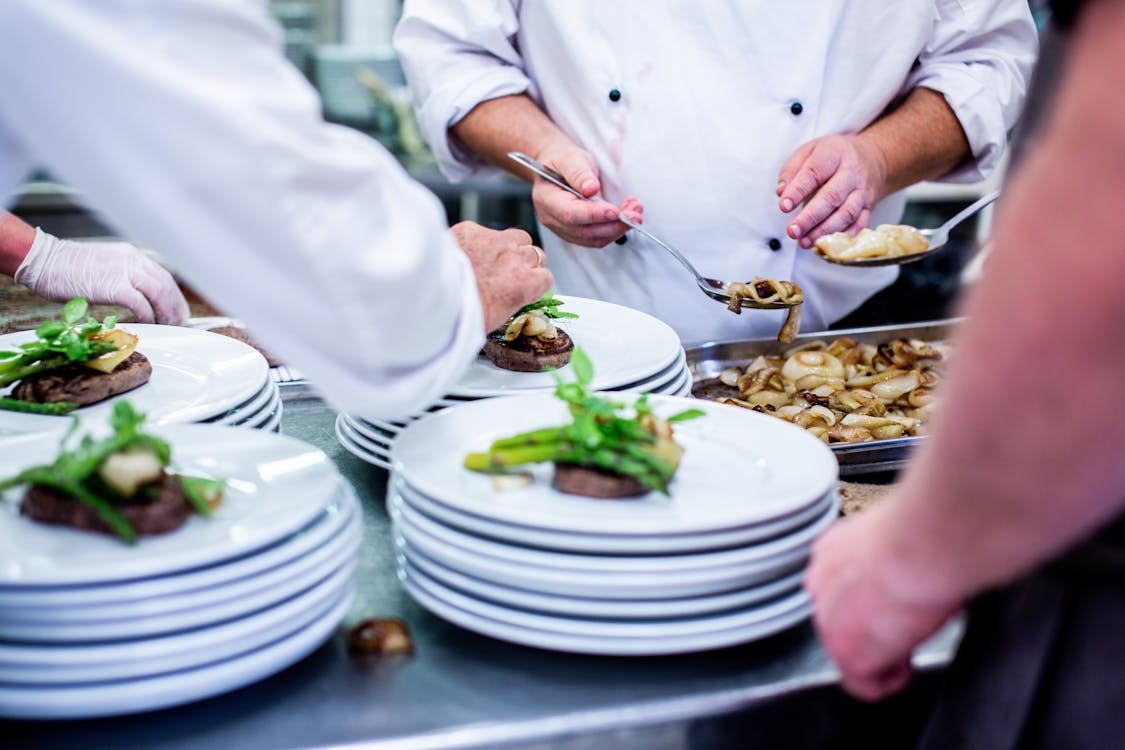
Focus on:
- Portion control—train servers and use proper plating tools.
- Appropriate plating equipment and china.
- Monitoring plate waste—what’s coming back from the table?
- Being flexible—adjust portion sizes or recipes based on actual guest behaviour.
And don’t forget: bar service needs just as much control. Use jiggers or measured pour devices and train staff rigorously. Discipline matters—especially when margins are tight.
The Secret Ingredient: Training
The single thread that runs through all seven steps is thorough, consistent training.
- Train staff to know and follow procedures.
- Give them the confidence and tools to do their job to your standards.
- Reinforce expectations regularly and hold the line.
Without consistent training and follow-through, even the best systems will fail—and your food cost will soar.
Final Thought
Every dollar of waste is profit lost. Every corner skipped adds up. By focusing on these seven steps, and making cost control part of your kitchen culture, you can build a more profitable, efficient, and professional operation.
View other insights

.jpeg)





Andrew Unfiltered

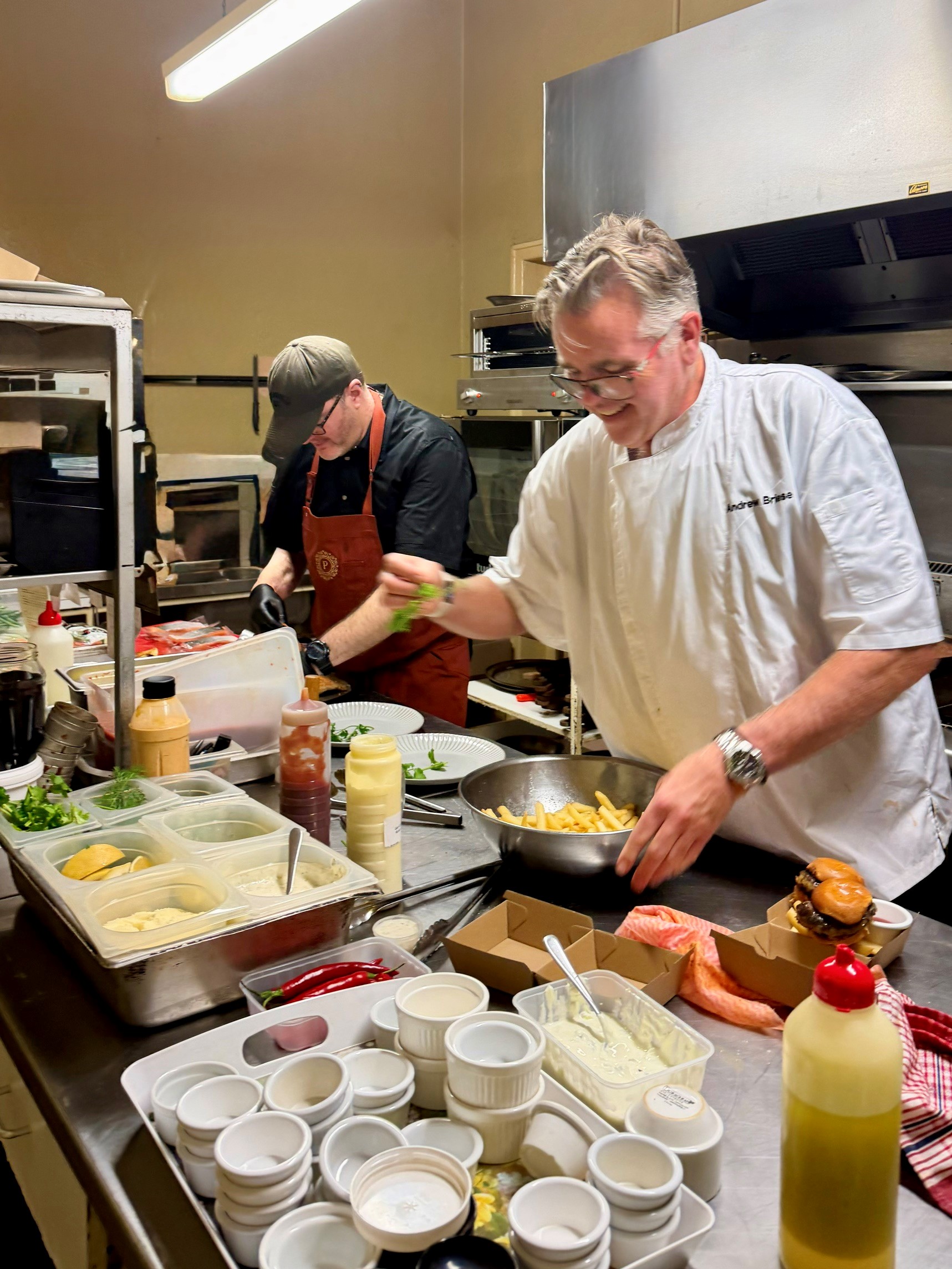
YES I’VE OFFICIALLY LOST IT – Why I Went Back Into The Kitchen